Unveiling the Darkness: The Rise and Fall of Underground Marketplaces
In recent years, this hidden web has intrigued the imagination of the public, often evoking images of covert deals, illegal merchandise, and a secret underworld existing beyond the reach of conventional law enforcement. Among the most notorious aspects of this shadowy realm are dark web markets, forums that support the buying and selling of a range of illegal drugs to fake identification. As society becomes more and more digital, these markets have transformed, demonstrating both the creativity and challenges of the underground economy.
Nonetheless, the growth of dark web markets is accompanied by their certain fall. Law enforcement agencies around the globe have increased efforts to break into and shut down these sites, resulting in major raids that have sent shockwaves through the online criminal community. The ongoing battle between authorities and users has shaped the ever-changing landscape of the darknet, revealing a complicated interplay of secrecy, safety, and risk. As we delve deeper this topic, we will explore the beginnings, evolution, and ongoing challenges faced by dark web markets, shedding light on a intriguing yet concerning aspect of modern society.
Understanding the Hidden Web
The dark web is a segment of the web that is excluded by standard search engines. It exists on an protected network, demanding specific software such as Tor to enter it. This hidden nature allows users to operate in secrecy, making it a haven for various activities, both legal and criminal. While many may connect the deep web primarily with forbidden commerce, it also serves as a venue for expression and personal security, especially in states with restrictive governments.
Accessing the dark web necessitates using dedicated tools that protect users' identities. The most common of these tools is the Tor browser, which shields internet traffic and routes it through various servers. This provides a degree of anonymity for users, guarding them from monitoring and tracking. Despite its notoriety, the deep web also hosts forums, communities, and even marketplaces focused on lawful interests, such as confidentiality advocacy and civic engagement.
The complexity of the deep web presents a intricate picture. On one hand, it is notorious for facilitating the exchange of drugs, arms, and hacked information; on the other, it provides a safe space for leakers and those desiring to communicate freely without worry of state interference. Comprehending this intricate landscape is vital for grasping the broader implications of digital confidentiality, safety, and the persistent battle between law enforcement and the forces that exist in concealed parts of the web.
The Progression of Darknet Markets
Hidden marketplaces have experienced notable transformations from their inception in the early 2000s. At first, these platforms were rudimentary and restrictive, primarily operating through discussion boards and simple messaging spaces where participants would swap goods and services lacking any formal interface. The secrecy offered by the darknet attracted a niche audience keen on accessing products that were often illegal or hard to obtain through conventional means. Prominent early examples include Silk Road, which set the stage for later markets by utilizing cryptocurrency as a means of payment, enhancing the security of its clients.
As cybersecurity steps increased and law enforcement began to intervene on early markets, darknet markets evolved into more complex entities. This evolution led to the development of intuitive interfaces and enhanced escrow systems that bolstered safety and security among participants. Rivalry among markets encouraged advancements, resulting in capabilities like feedback systems, seller authentication, and item evaluations. These improvements not only enhanced the shopping experience but also attracted a greater audience, fostering a sense of community among participants who valued the anonymity that darknet markets provided.
Nonetheless, the rise of these markets also initiated a cycle of law enforcement intervention. Significant operations to close major platforms, such as the takedown of the Silk Road in the year 2013, showcased the flaws inherent in the darknet landscape. Despite these measures, emerging markets quickly surfaced to fill the void, often implementing enhanced security measures and using decentralized architectures to escape detection. This ongoing battle between innovation in darknet market operations and law enforcement strategies illustrates a intricate dynamic, making the evolution of darknet markets a constantly unfolding narrative.
A Decline and Prospects of Dark Web Trade
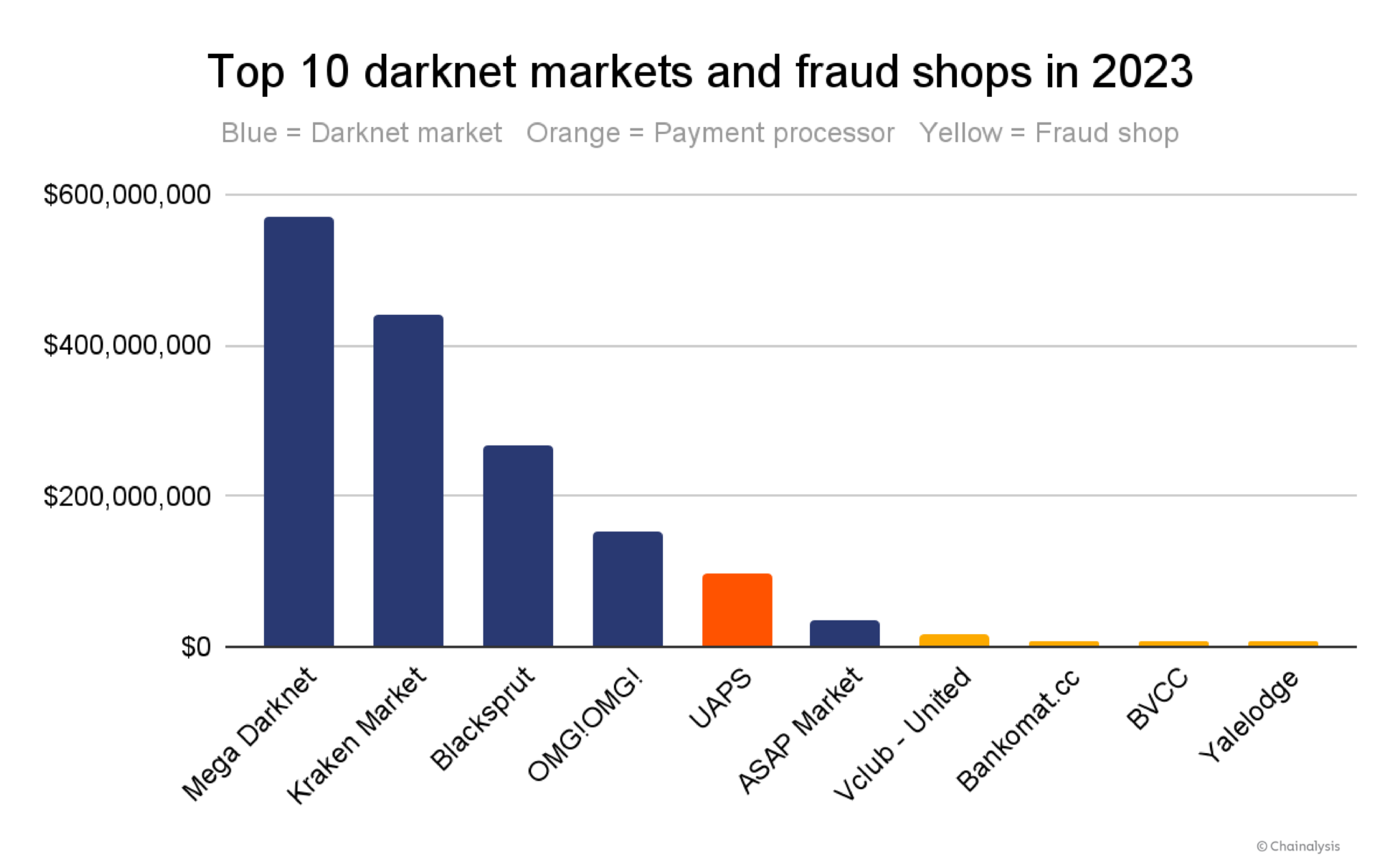
The decline of underground markets can be credited to several factors, including heightened law enforcement actions and enhanced scrutiny from cybersecurity specialists. As authorities around the world have ramped up efforts to close major sites, many have discovered it increasingly challenging to operate without the ever-present danger of a raid or arrest. darknet markets onion address -profile shutdowns such as Silk Road and Alpha-Bay served as key decisive moments, creating a atmosphere of apprehension within the dark web community and dissuading new vendors from entering the platform. Additionally, the hesitance of users to rely on upcoming platforms, often plagued by scams or safety failures, has further contributed to the decline.
Despite the challenges faced by existing sites, there remains a significant demand for goods and offerings that the shadow net provides. This desire may help maintain lesser-known, more targeted platforms that work under a reduced radar. Innovative advancements, such as non-centralized services and improved privacy protocols, could restore enthusiasm and usage of dark web markets. As long as there are users seeking anonymity for various motivations, from safety factors to illicit actions, the potential for dark web business will always exist, albeit in a evolved state.
In the future, the prospects of dark web business is anticipated to move towards greater distribution and incorporation of crypto technology. The growth of cryptocurrencies has given a more secure way of exchange that is attractive to participants trying to keep privacy. As the scene transforms, upcoming commerce models may include non-centralized finance methods, making these services less likely to close and regulate. While the decline of traditional shadow net platforms may signify the closure of an era, it paves the way to fresh options that could redefine how trade takes place in the shadows.